 By Edward Miller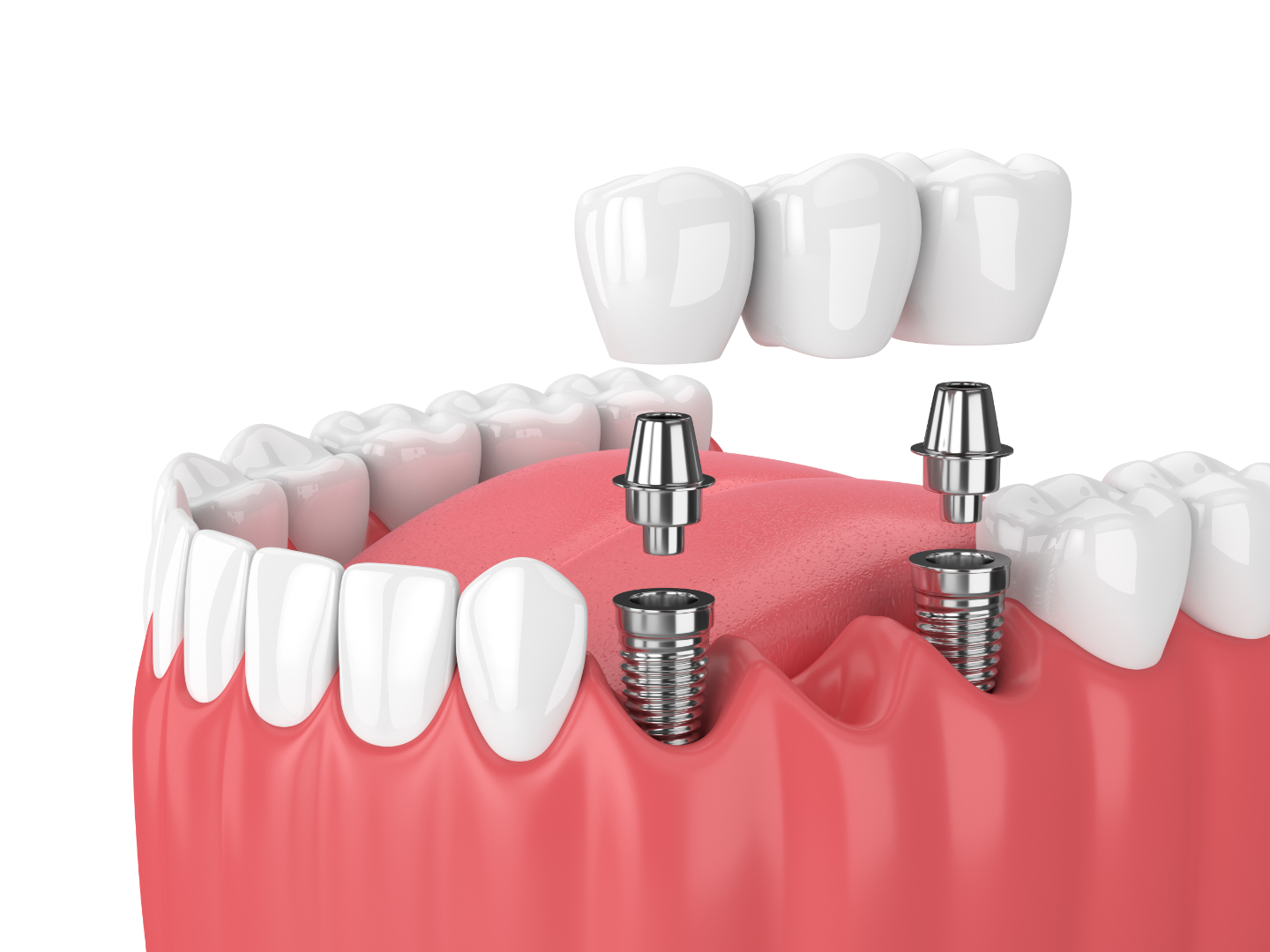
Understanding the Connection Between Oral Health and Mental Wellbeing
The relationship between dental health and psychological wellbeing extends far beyond the physical aspects of oral care. When individuals experience tooth loss, whether through injury, decay, or periodontal disease, the impact resonates deeply within their emotional and social lives. The psychological ramifications of missing teeth can create a cascading effect that influences confidence, social interactions, and overall quality of life in ways that many people never anticipate. This is where dental implants Northern Ireland can help.
Research consistently demonstrates that individuals with missing teeth often experience heightened levels of self-consciousness, particularly in social situations involving eating, speaking, or smiling. This psychological burden can lead to social withdrawal, reduced professional opportunities, and a diminished sense of personal worth. The anticipation of judgment from others, whether real or perceived, creates a cycle of anxiety that can significantly impact one’s mental health and social functioning.
The Transformative Power of Dental Restoration
Modern dental implant technology offers a remarkable solution that addresses both the functional and psychological aspects of tooth loss. Unlike traditional dentures or bridges, dental implants provide a permanent, natural-feeling restoration that can dramatically improve an individual’s confidence and self-perception. The psychological benefits often begin to manifest even before the treatment is complete, as patients anticipate the positive changes ahead.
The process of receiving dental implants represents more than just a medical procedure; it symbolises a journey towards renewed confidence and improved quality of life. Patients frequently report feeling more willing to engage in social activities, pursue professional opportunities, and express themselves freely without the constant worry about their appearance or the functionality of their teeth.
Immediate Psychological Benefits
Enhanced Social Confidence
One of the most significant psychological improvements following dental implant treatment is the restoration of social confidence. Individuals who previously avoided smiling, laughing, or speaking in public often experience a remarkable transformation in their willingness to engage with others. This renewed confidence can lead to stronger personal relationships, improved professional networking, and a more active social life.
Improved Self-Image and Identity
The restoration of a complete smile through dental implants often leads to a profound shift in self-perception. Many patients describe feeling like themselves again, as if they have reclaimed a lost part of their identity. This psychological restoration can be particularly significant for individuals who have lived with missing teeth for extended periods, as they rediscover aspects of their personality that may have been suppressed due to dental concerns.
Long-term Psychological Advantages
The enduring nature of dental implants contributes significantly to their psychological benefits. Unlike temporary solutions, implants provide lasting stability that allows individuals to move forward without the constant reminder of their dental challenges. This permanence enables patients to rebuild their confidence on a solid foundation, knowing that their investment in oral health will continue to support their wellbeing for years to come.
Studies examining the long-term psychological outcomes of dental implant treatment consistently reveal sustained improvements in quality of life measures. Patients report continued satisfaction with their decision years after treatment, with many describing the procedure as life-changing in ways that extend far beyond oral health.
Addressing Pre-Treatment Anxiety
Whilst the psychological benefits of dental implants are substantial, it is important to acknowledge that some individuals may experience anxiety about the treatment process itself. Understanding how stress and anxiety can affect the healing process is crucial for both patients and dental professionals. Modern dental practices employ various techniques to minimise patient anxiety and ensure a comfortable treatment experience.
The comprehensive approach to patient care includes thorough consultation processes, sedation options, and ongoing support throughout the treatment journey. This holistic care model recognises that addressing psychological concerns is as important as managing the technical aspects of implant placement.
The Broader Impact on Quality of Life
Research into how missing teeth affect confidence and the restorative role of implants demonstrates that the psychological benefits extend into multiple life domains. Patients often report improvements in their professional lives, with increased willingness to participate in meetings, presentations, and networking events.
Moving Forward with Renewed Confidence
The psychological impact of dental implants on self-esteem represents a compelling example of how modern dentistry can transform lives beyond mere functionality. The restoration of confidence, social engagement, and personal identity through dental implant treatment offers individuals the opportunity to reclaim their lives and pursue their goals without the limitations imposed by dental concerns. This transformation underscores the profound connection between oral health and psychological wellbeing, highlighting the importance of comprehensive dental care in supporting overall quality of life.