 By Edward Miller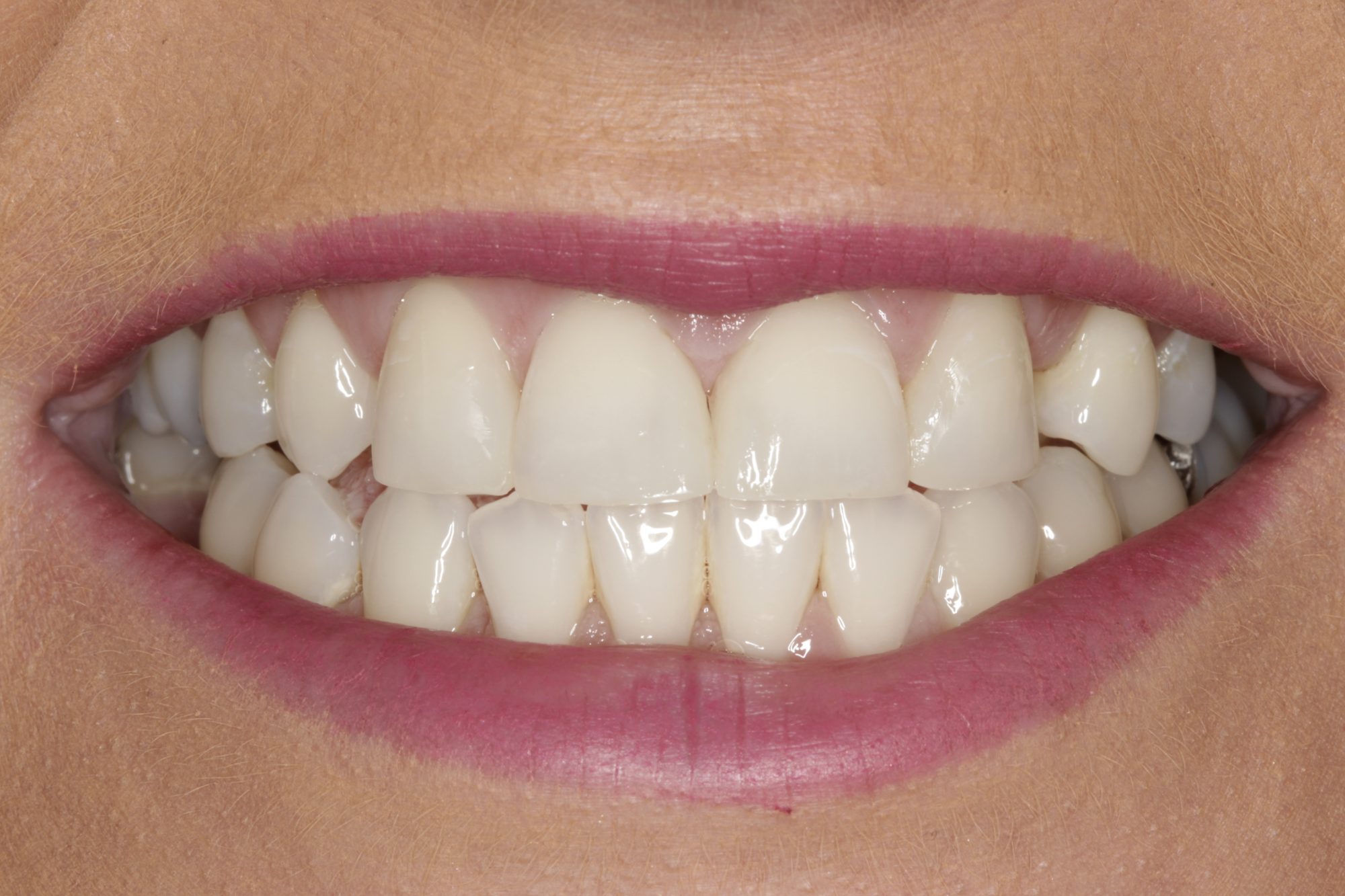
The Rise of Minimally Invasive Cosmetic Dentistry
In recent years, the landscape of cosmetic dentistry has undergone a remarkable transformation. Gone are the days when achieving a photographic smile required extensive dental work, prolonged treatment periods, and considerable expense. Today, composite bonding has emerged as the preferred solution for those seeking subtle yet effective smile enhancements. This innovative technique has captured the attention of dental professionals and patients alike, offering a perfect balance between aesthetic improvement and conservative treatment approaches.
The appeal of composite bonding lies in its ability to address multiple cosmetic concerns with minimal intervention. Unlike traditional methods that often require significant tooth preparation or removal of healthy enamel, this technique preserves the natural tooth structure whilst delivering impressive results. Patients can now achieve the smile they have always desired without the anxiety associated with more invasive procedures, making it an attractive option for those who have previously hesitated to seek a cosmetic dentist Thames Ditton.
Understanding the Composite Bonding Procedure
Composite bonding involves the application of a tooth-coloured resin material directly onto the tooth surface. This versatile substance can be expertly sculpted and shaped to correct various aesthetic imperfections, from minor chips and cracks to gaps between teeth and discolouration. The procedure itself is remarkably straightforward, typically requiring just one visit to a cosmetic dentist, which adds to its growing popularity amongst busy professionals and families.
The process begins with careful colour matching to ensure the composite material blends seamlessly with the surrounding natural teeth. The tooth surface is then gently prepared and conditioned to create an optimal bonding environment. The composite resin is applied in layers, with each layer being carefully shaped and hardened using a specialised curing light. Finally, the bonded area is polished to achieve a natural lustre that mirrors the appearance of natural tooth enamel.
Key Advantages That Set Composite Bonding Apart
Preservation of Natural Tooth Structure
One of the most compelling reasons for choosing composite bonding is its conservative nature. Unlike veneers or crowns, which necessitate the removal of a significant amount of tooth enamel, bonding requires minimal to no preparation of the natural tooth. This preservation of healthy tooth structure is not merely a short-term benefit; it maintains the long-term integrity of the teeth and provides patients with greater flexibility for future dental treatments should they be required.
Immediate and Dramatic Results
The transformative power of composite bonding is evident immediately upon completion of the procedure. Patients leave the dental surgery with a noticeably improved smile, without the waiting periods associated with laboratory-fabricated restorations. This instant gratification has proven particularly appealing to those preparing for special occasions such as weddings, job interviews, or important social events. The ability to enhance one’s appearance within a single appointment has revolutionised the accessibility of cosmetic dental care.
Cost-Effectiveness Without Compromise
Financial considerations often play a significant role in dental treatment decisions, and composite bonding offers exceptional value. The procedure typically costs a fraction of what patients might expect to pay for porcelain veneers or other extensive cosmetic treatments. This affordability does not come at the expense of quality; when performed by a skilled practitioner, bonding can deliver results that rival more expensive alternatives. Many patients find that composite bonding provides numerous advantages that extend well beyond the initial cost savings.
Versatility in Addressing Common Aesthetic Concerns
The applications of composite bonding are remarkably diverse. Patients seeking to close small gaps between their front teeth can achieve harmonious spacing without orthodontic intervention. Those troubled by chips or worn edges can restore their teeth to their original contours. Even minor misalignments and irregularities in tooth shape can be corrected, creating the illusion of a straighter, more uniform smile. Understanding both the benefits and limitations of composite bonding helps patients make informed decisions about their treatment options.
Discolouration that proves resistant to traditional whitening methods can also be effectively masked with composite bonding. The resin material can be customised to match any desired shade, allowing patients to achieve a brighter, more youthful appearance. Additionally, those who wish to explore the comprehensive benefits of composite bonding will discover its suitability for addressing multiple concerns simultaneously.
The Future of Smile Enhancement
As dental materials and techniques continue to advance, composite bonding stands at the forefront of minimally invasive aesthetic dentistry. Its combination of versatility, affordability, and conservative treatment philosophy has established it as the gold standard for subtle smile corrections. For individuals seeking to enhance their appearance without committing to extensive dental work, composite bonding represents an ideal solution that respects both the natural dentition and the patient’s overall wellbeing. The procedure’s growing popularity reflects a broader shift towards treatments that prioritise preservation whilst delivering exceptional aesthetic outcomes.