 By Edward Miller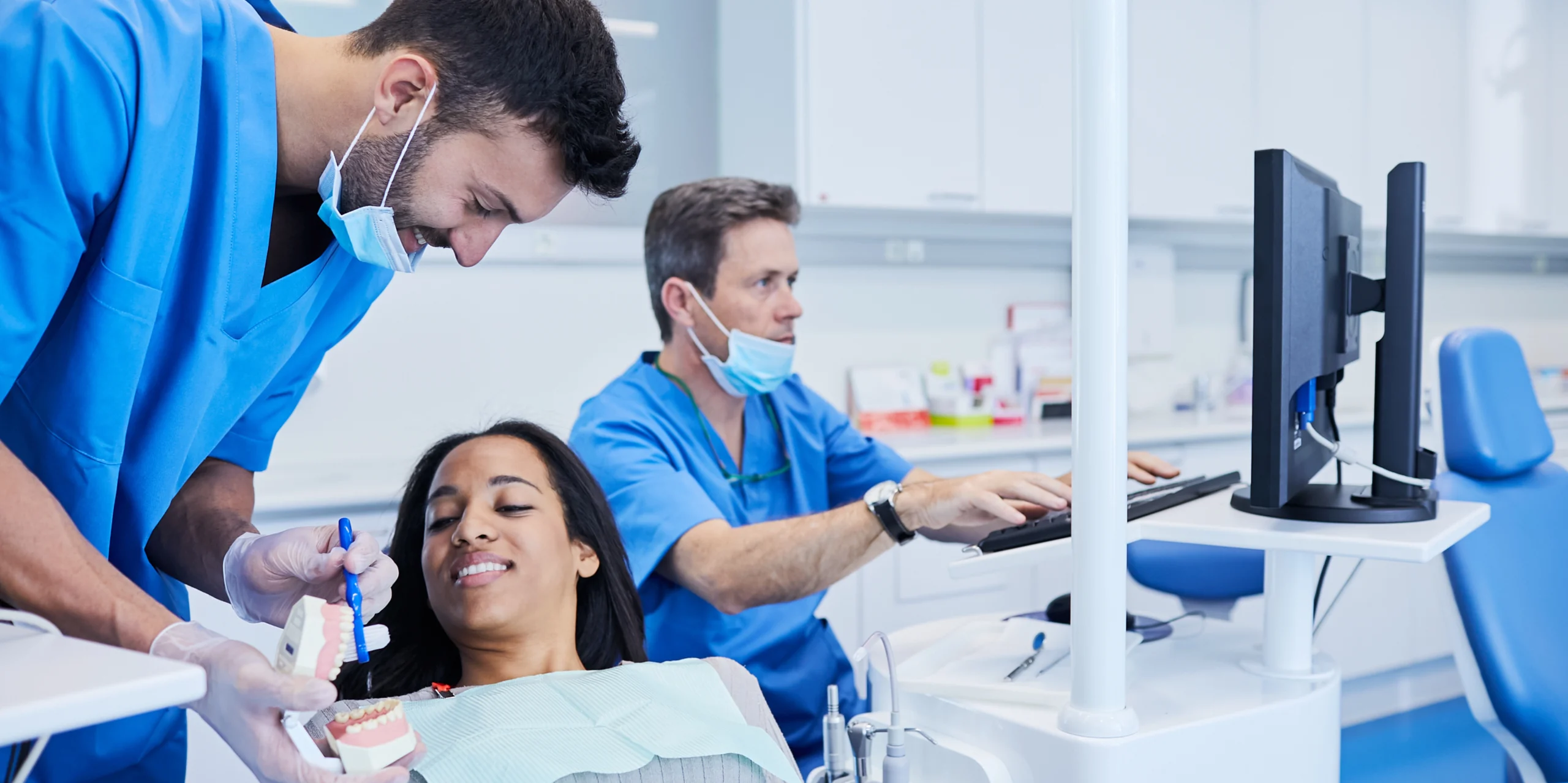
The Patient Revolution in Modern Dentistry
The landscape of dental care has undergone a remarkable transformation, largely propelled by an unexpected catalyst: patients themselves. Gone are the days when individuals simply accepted whatever treatment was offered without question. Today’s dental patients arrive armed with research, expectations, and innovative ideas that are fundamentally reshaping how dental practices operate across the UK.
This patient-driven revolution has created a dynamic environment where dental professionals like a dentist Wakefield find themselves collaborating more closely with their patients than ever before. The traditional hierarchical model of healthcare delivery has evolved into a partnership-based approach, where patient feedback and preferences directly influence treatment methodologies and practice management strategies.
Technology Adoption Through Patient Demand
The integration of cutting-edge technology in dental practices often stems from patient expectations rather than purely clinical necessity. Patients who have experienced digital transformation in dental care elsewhere frequently request similar innovations from their local practitioners. This demand has accelerated the adoption of digital imaging, laser treatments, and computer-assisted procedures across practices nationwide.
Dental professionals have discovered that patients particularly value technologies that enhance comfort and reduce treatment time. Intraoral cameras, for instance, gained popularity not solely for their diagnostic benefits but because patients appreciated seeing real-time images of their oral health. This transparency has fostered greater trust and engagement in treatment planning processes.
The Comfort Revolution
Patient feedback regarding anxiety and discomfort has driven significant innovations in pain management and relaxation techniques. Practices have implemented everything from virtual reality headsets during procedures to aromatherapy and noise-cancelling headphones. These patient-requested amenities have become standard offerings rather than luxury additions, particularly among forward-thinking practices.
Personalised Treatment Pathways
The concept of personalised dental care has emerged directly from patient advocacy for treatments that suit their individual lifestyles and preferences. Rather than offering one-size-fits-all solutions, dental practices now provide multiple treatment options with varying timescales, costs, and approaches. This flexibility acknowledges that patients have different priorities, whether they value speed, cost-effectiveness, or cutting-edge techniques.
Patient-driven innovations have also influenced scheduling and appointment management systems. Many practices have adopted flexible booking platforms, extended hours, and emergency contact systems based on patient requests for greater accessibility. These changes reflect a broader understanding that dental care must accommodate modern lifestyles rather than adhering to rigid traditional frameworks.
Communication and Education Initiatives
Patients’ desire for a comprehensive understanding of their treatments has led to enhanced educational resources and communication protocols. Dental practices now provide detailed treatment explanations, visual aids, and follow-up materials that help patients make informed decisions about their oral health. This educational approach has proven beneficial for both parties, as well-informed patients tend to demonstrate better compliance with treatment recommendations and preventive care routines.
The rise of patient portals and digital communication channels represents another patient-driven innovation. These platforms allow individuals to access their treatment history, communicate with their dental team, and receive personalised oral health tips. Such systems have streamlined practice operations while providing patients with the transparency and accessibility they increasingly expect from healthcare providers.
Preventive Care Through Patient Engagement
Perhaps the most significant patient-driven innovation lies in the shift towards preventive care models. Patients who understand the long-term benefits of maintaining optimal oral health have requested comprehensive preventive programmes rather than reactive treatments. This demand has encouraged dental practices to develop sophisticated monitoring systems and personalised maintenance schedules that address individual risk factors and lifestyle considerations.
The integration of artificial intelligence and predictive analytics in dental care represents the latest frontier in patient-driven innovation. These technologies, which enable AI transformation of the patient journey, have emerged partly due to patient interest in proactive rather than reactive healthcare approaches.
The Future of Patient-Centred Dental Care
The influence of patient-driven innovations continues to expand, with next-generation technologies enhancing patient connection and becoming increasingly sophisticated. As patients become more knowledgeable and engaged, their contributions to dental innovation will likely accelerate, creating an environment where continuous improvement becomes the norm rather than the exception.
The collaboration between patients and dental professionals has fundamentally transformed the industry, creating more effective, comfortable, and accessible dental care for everyone. This patient-driven approach ensures that dental innovations remain grounded in real-world needs and preferences, ultimately benefitting the entire healthcare ecosystem.